
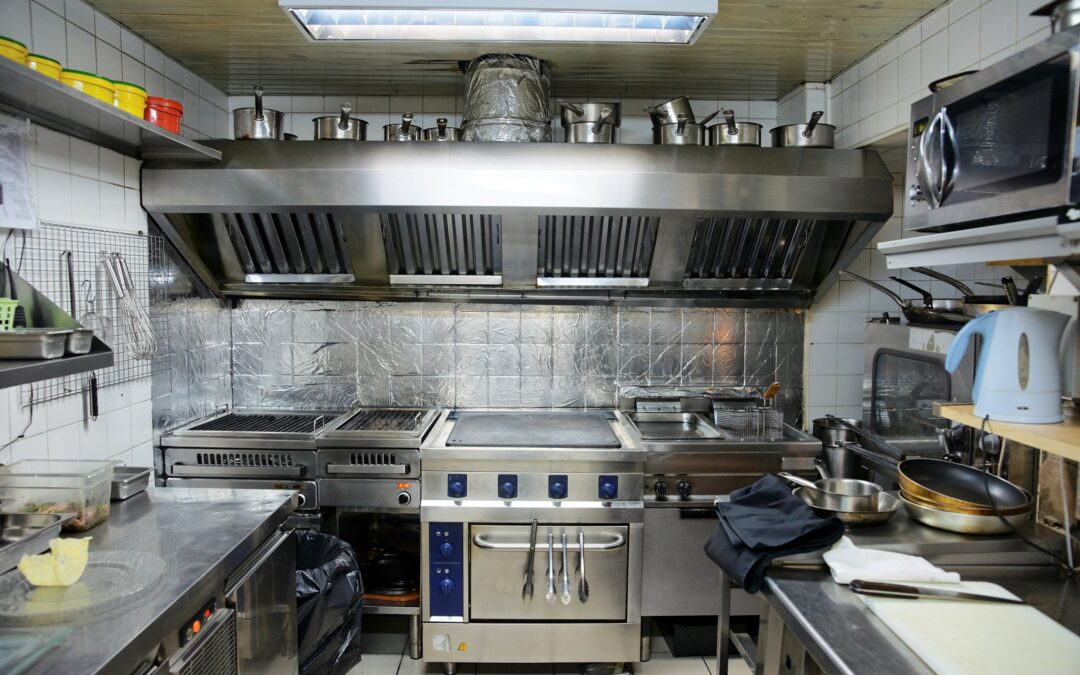
Maintaining a clean and sanitary restaurant environment is essential for food safety, customer satisfaction, and health code compliance. While daily cleaning tasks help keep kitchens organized, restaurants also require routine deep cleaning to address grease buildup, hidden contaminants, and heavily used equipment.
For restaurant owners and foodservice operators in San Diego, following a structured deep cleaning checklist can help maintain sanitation standards and extend the lifespan of kitchen equipment.
Below is a practical deep cleaning checklist commonly used in restaurants and commercial kitchens.
Why Deep Cleaning Is Important for Restaurants
Restaurant kitchens experience heavy daily use. Grease, food debris, and bacteria can quickly accumulate on cooking equipment, floors, and preparation surfaces if they are not cleaned regularly.
Deep cleaning helps restaurants:
-
Maintain proper food safety standards
-
Reduce grease buildup on cooking equipment
-
Improve kitchen sanitation and hygiene
-
Prevent pest problems
-
Support compliance with health inspections
Many restaurants schedule deep cleaning weekly, monthly, or quarterly depending on the size and volume of the kitchen.
Daily Restaurant Cleaning Tasks
Daily cleaning focuses on maintaining sanitation throughout the kitchen and dining areas.
Typical daily cleaning tasks include:
-
Sanitizing food preparation surfaces
-
Cleaning grills and cooking stations
-
Emptying trash and recycling bins
-
Cleaning sinks, faucets, and prep areas
-
Sweeping and mopping kitchen floors
-
Wiping down exterior surfaces of equipment
-
Cleaning soda machines and beverage stations
Completing these tasks daily helps prevent buildup that can become difficult to remove later.
Weekly Kitchen Deep Cleaning Tasks
Some areas of the kitchen require more detailed cleaning that may be scheduled once or twice per week.
Weekly deep cleaning tasks may include:
-
Cleaning fryer baskets and surrounding areas
-
Scrubbing grills and flat tops
-
Sanitizing meat slicers and food preparation tools
-
Cleaning floor drains
-
Washing floor mats
-
Cleaning refrigerator door handles and exterior surfaces
-
Degreasing cooking stations and surrounding walls
These tasks help control grease buildup and maintain a sanitary cooking environment.
Monthly Restaurant Deep Cleaning Tasks
Certain equipment and kitchen areas should be deep cleaned periodically to maintain proper sanitation and equipment performance.
Monthly deep cleaning tasks often include:
-
Deep cleaning refrigerators and freezers
-
Cleaning inside walk-in coolers
-
Degreasing kitchen exhaust areas and surrounding surfaces
-
Cleaning grease traps and disposal areas
-
Scrubbing baseboards and corners
-
Cleaning behind cooking equipment
-
Washing walls and backsplashes
These deeper cleaning tasks help reduce hidden buildup that can affect food safety and equipment performance.
Equipment That Requires Special Attention
Certain restaurant equipment requires detailed cleaning because it frequently comes into contact with food or grease.
Examples include:
-
Fryers
-
Grills and ranges
-
Meat and cheese slicers
-
Ice machines
-
Steam tables
-
Refrigeration units
Cleaning these components thoroughly helps ensure proper food handling and safe kitchen operations.
Restaurant Restroom and Dining Area Cleaning
While kitchen sanitation is essential, restaurants must also maintain clean public areas for guests.
Cleaning tasks in dining and restroom areas may include:
-
Sanitizing tables and chairs
-
Cleaning beverage stations
-
Restroom cleaning and disinfection
-
Mirror and sink cleaning
-
Floor sweeping and mopping
-
Trash removal
Clean dining areas help create a positive impression for guests and improve the overall customer experience.
When Restaurants Schedule Professional Deep Cleaning
While restaurant staff typically handle routine cleaning tasks, many kitchens schedule professional deep cleaning services to address areas that require specialized equipment or extra time.
These services may include:
-
Heavy grease removal
-
Detailed kitchen sanitation
-
Floor machine scrubbing
-
Commercial oven cleaning
-
Walk-in cooler deep cleaning
Restaurants that operate at high volume often schedule professional deep cleaning to maintain sanitation standards and prepare for health inspections.
Businesses interested in learning more about structured restaurant cleaning programs can explore commercial restaurant cleaning services in San Diego here.
Maintaining a clean and sanitary restaurant environment is essential for food safety, customer satisfaction, and health code compliance. While daily cleaning tasks help keep kitchens organized, restaurants also require routine deep cleaning to address grease buildup, hidden contaminants, and heavily used equipment.
FAQs
How often should a restaurant kitchen be deep cleaned?
Most restaurants perform light deep cleaning weekly and schedule more detailed deep cleaning monthly or quarterly depending on kitchen volume.
What is included in restaurant deep cleaning?
Restaurant deep cleaning typically includes cleaning cooking equipment, degreasing surfaces, deep cleaning refrigerators, scrubbing floors and drains, and sanitizing food preparation areas.
Why is deep cleaning important for restaurants?
Deep cleaning removes grease, food debris, and bacteria that daily cleaning may miss, helping maintain food safety and health code compliance.
What areas of a restaurant require the most cleaning?
High-priority areas include cooking equipment, food prep surfaces, refrigeration units, floors, and sinks.
Do restaurants hire professional cleaning services?
Many restaurants hire professional cleaning companies to perform detailed kitchen deep cleaning and equipment sanitation.