
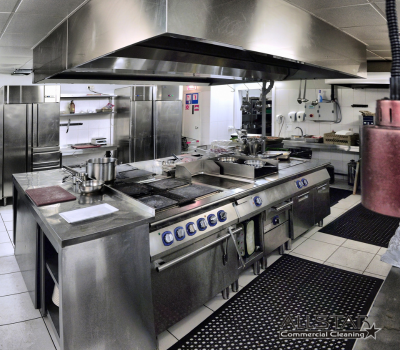
A polished dining room can create a great first impression, but it does not determine whether a restaurant passes a health inspection in San Diego. Health inspectors focus far more on what happens behind the scenes than what customers see from their tables.
Back-of-house areas are where food is prepared, equipment operates, and sanitation risks are highest. When these areas are not consistently cleaned, even the most attractive front-of-house space cannot offset inspection violations.
Understanding why back-of-house cleaning matters more can help restaurant owners protect their business, staff, and reputation.
Front-of-House Appearance vs Inspection Standards
Front-of-house cleaning focuses on customer experience. Back-of-house cleaning focuses on public health and safety.
While inspectors do observe dining areas, they spend the majority of their time evaluating:
-
Kitchens and food prep zones
-
Equipment cleanliness and condition
-
Floors, drains, and walls
-
Storage and utility areas
A spotless dining room does not compensate for grease buildup behind fryers or debris under prep tables. Inspectors are trained to prioritize areas that present the highest risk for contamination and fire hazards.
Back-of-House Areas Carry the Highest Risk
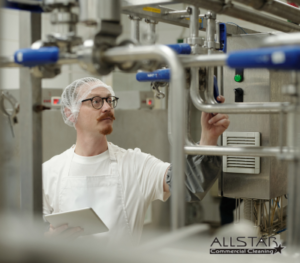
Back-of-house spaces accumulate grease, moisture, and food particles at a much higher rate than customer-facing areas. These conditions increase the risk of violations when cleaning is inconsistent.
High-risk zones include:
-
Cooking equipment and surrounding surfaces
-
Hood vents and exhaust systems
-
Floors, mats, and floor drains
-
Dry storage and refrigeration areas
These areas often require more than surface-level cleaning. Without regular deep cleaning, buildup becomes visible to inspectors even if it is not obvious during daily operations.
Health Inspectors Focus on Patterns, Not Just Appearances
One reason back-of-house cleaning matters more is that inspectors are trained to look for patterns of neglect. A clean dining room paired with a dirty kitchen often signals inconsistent sanitation practices.
Inspectors may note:
-
Recently wiped surfaces next to long-term buildup
-
Uneven cleaning across equipment and floors
-
Areas that appear to be routinely skipped
Consistent back-of-house cleaning demonstrates that sanitation is part of daily operations rather than a reaction to inspections.

Fire Safety and Grease Control in Commercial Kitchens
Grease buildup is not only a health issue, it is a serious fire hazard. Fire marshals and health inspectors both pay close attention to grease accumulation in kitchens.
Common fire-related concerns include:
-
Grease behind ranges and fryers
-
Carbon buildup inside ovens and grills
-
Dirty hood filters and ductwork
-
Greasy floors that increase slip risk
Routine commercial kitchen cleaning reduces these risks and supports compliance with both health and fire safety standards.
Why Staff Cleaning Alone Often Falls Short
Restaurant staff work hard to keep kitchens operational, but staff cleaning has limitations. Time constraints, high turnover, and busy service periods often result in missed areas.
Common challenges include:
-
Limited time for deep cleaning tasks
-
Difficulty accessing hard-to-reach areas
-
Inconsistent cleaning between shifts
-
Focus on immediate service needs over long-term sanitation
This is why many restaurants include commercial kitchen cleaning as part of a restaurant janitorial service to maintain consistent standards across all back-of-house areas.
How Back-of-House Cleaning Protects Your Business
Investing in back-of-house cleaning protects more than inspection scores. It helps safeguard your employees, customers, and long-term operations.
Consistent kitchen cleaning helps:
-
Reduce inspection violations
-
Lower fire risk
-
Prevent pest activity
-
Extend the life of equipment
-
Support a safer work environment
These benefits are difficult to achieve through front-of-house cleaning alone.
Building a Consistent Back-of-House Cleaning Program
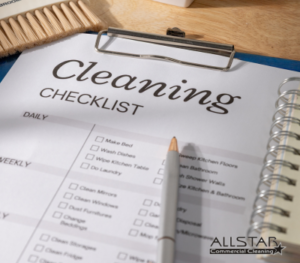
The most effective restaurants treat back-of-house cleaning as a system, not a task. A structured cleaning plan addresses daily, weekly, and deep cleaning needs without disrupting operations.
A professional cleaning program supports:
-
Detailed equipment cleaning
-
Floor and drain maintenance
-
Grease and carbon removal
-
Consistent sanitation across all shifts
Restaurants throughout San Diego rely on experienced commercial cleaners to maintain these standards without relying on last-minute fixes.
Frequently Asked Questions
Do health inspectors care more about kitchens than dining areas?
Yes. Health inspectors focus primarily on kitchens and food prep areas because they pose the highest risk to public health.
Can a clean dining room offset a dirty kitchen during inspection?
No. Front-of-house appearance does not compensate for back-of-house violations.
How often should back-of-house areas be deep cleaned?
Deep cleaning frequency depends on volume and equipment use, but most kitchens benefit from scheduled professional cleaning.
Is back-of-house cleaning important for fire safety?
Yes. Grease and carbon buildup are major fire risks and are closely monitored by inspectors.