
What Health Inspectors Look for During Restaurant Inspections in San Diego
Restaurant inspections in San Diego can feel stressful, especially when you do not know exactly what health inspectors are evaluating. While inspections are not designed to shut businesses down, they are focused on protecting public health and ensuring food service establishments follow California and local health codes.
Understanding what inspectors look for can help you prepare your restaurant, reduce violations, and avoid costly re-inspections or temporary closures. Below are the most common areas San Diego health inspectors focus on during restaurant inspections and why professional cleaning plays a key role in staying compliant.
1. Kitchen Cleanliness and Grease Buildup
One of the first places inspectors look is the kitchen, especially areas that are often overlooked during daily cleaning.
Health inspectors routinely check:
-
Grease buildup behind ranges and fryers
-
Carbon buildup inside ovens and grills
-
Hood vents and exhaust systems
-
Floors, walls, and baseboards near cooking equipment
Excess grease is more than a cleanliness issue. It is a fire hazard and a violation of health and safety regulations. Even if food-contact surfaces look clean, inspectors frequently note violations for grease accumulation in hard-to-reach areas.
Routine deep cleaning helps prevent these issues and shows inspectors that your restaurant maintains consistent sanitation standards rather than last-minute cleanup efforts.
2. Food Contact Surfaces and Cross-Contamination
Health inspectors in San Diego pay close attention to surfaces that come into direct contact with food. This includes prep tables, cutting boards, utensils, and storage containers.
Common inspection concerns include:
-
Improperly sanitized prep surfaces
-
Residue or buildup on food-contact equipment
-
Shared surfaces between raw and cooked foods
-
Improper cleaning between shifts
Even small lapses can lead to violations. Inspectors are trained to spot signs of rushed or inconsistent cleaning routines, especially during busy service hours.
A structured cleaning schedule that includes daily sanitation and regular deep cleaning reduces the risk of cross-contamination and inspection citations.
3. Restroom Sanitation and Handwashing Stations
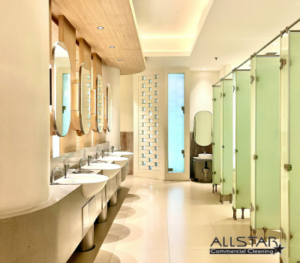
Restrooms and handwashing stations are another high-priority area during restaurant inspections. Inspectors verify that employees have access to clean, fully stocked facilities at all times.
They typically check for:
-
Clean sinks, toilets, and floors
-
Soap and paper towels at all handwashing stations
-
Proper signage reminding employees to wash hands
-
No visible odors or buildup
Restrooms are often overlooked during peak service hours, but they are a clear indicator of overall sanitation practices. A poorly maintained restroom can quickly lead inspectors to scrutinize other areas more closely.
4. Floors, Drains, and Hidden Areas
Health inspectors do not limit their evaluations to visible surfaces. Floors, drains, and other hidden areas are frequently cited during inspections.
Inspectors often look for:
-
Standing water or clogged floor drains
-
Food debris under equipment
-
Grease or grime along floor edges
-
Slip hazards caused by residue buildup
These areas are especially important because they can attract pests and bacteria if not properly maintained. Regular floor scrubbing and drain cleaning help eliminate these risks and support compliance.
5. Waste Management and Pest Prevention
Trash storage and pest prevention practices are closely reviewed during inspections. Improper waste handling can lead to pests, odors, and violations.
Health inspectors evaluate:
-
Trash containers being sealed and emptied regularly
-
No overflow or leaking waste
-
Clean dumpster areas
-
Signs of pests such as droppings or gnaw marks
A clean facility discourages pest activity and signals to inspectors that sanitation is taken seriously throughout the operation.
Why Professional Restaurant Cleaning Matters for Inspections
Health inspectors are not expecting perfection, but they do expect consistency. One of the biggest red flags during inspections is evidence that cleaning is reactive instead of routine.
Professional restaurant janitorial cleaning services help restaurants stay inspection-ready year-round by addressing areas that daily staff cleaning often misses. Scheduled deep cleaning, equipment sanitation, and detailed floor and surface care all support long-term compliance.
At Allstar Commercial Cleaning, restaurants across San Diego rely on experienced commercial cleaners to maintain kitchens, dining areas, restrooms, and back-of-house spaces to inspection-ready standards.
Preparing for Your Next San Diego Restaurant Inspection
The best way to prepare for a health inspection is to clean as if one could happen at any time. San Diego inspections are often unannounced, and last-minute cleaning rarely addresses deeper issues like grease buildup or floor contamination.
A proactive cleaning plan helps:
-
Reduce inspection violations
-
Prevent re-inspection fees
-
Protect your staff and customers
-
Maintain your restaurant’s reputation
If your restaurant is due for an inspection or you want to improve long-term compliance, partnering with a professional cleaning company can make a measurable difference.
Frequently Asked Questions
How often do restaurants get inspected in San Diego?
Most restaurants in San Diego are inspected at least once per year, with additional inspections possible after complaints or prior violations.
Can grease buildup cause a failed inspection?
Yes. Excess grease in kitchens, hood vents, or behind equipment is a common inspection violation and can also pose a fire risk.
Do inspectors check areas customers cannot see?
Absolutely. Inspectors regularly check behind equipment, under sinks, in storage areas, and around floor drains.
Is professional cleaning required to pass inspection?
Professional cleaning is not required, but it significantly reduces the risk of violations by addressing areas that are often missed during daily cleaning.