Food safety standards exist to protect customers, employees, and restaurant owners alike. In San Diego, health inspectors evaluate how well restaurants follow these standards by examining cleanliness, sanitation practices, and long-term maintenance.
While daily staff cleaning plays an important role, professional restaurant cleaning supports food safety in ways that routine cleaning alone often cannot. Understanding this role helps restaurant owners make informed decisions about compliance, risk reduction, and long-term operations.
Food Safety Standards Focus on Prevention, Not Appearance
Food safety regulations are designed to prevent contamination before it happens. This means inspectors focus on conditions that could lead to foodborne illness, not just whether surfaces look clean.
Key food safety priorities include:
-
Preventing cross-contamination
-
Eliminating grease and food residue buildup
-
Controlling moisture and standing water
-
Maintaining clean equipment and surfaces
Professional cleaning supports these goals by addressing areas that are difficult to maintain consistently during daily operations.
Where Daily Cleaning Often Falls Short
Restaurant staff are trained to clean food-contact surfaces and maintain sanitation during service. However, daily cleaning has limitations due to time, access, and workload.
Common gaps include:
-
Behind and under heavy equipment
-
Inside ovens, fryers, and grills
-
Floor drains and corners
-
Walls, vents, and ceilings
These areas are critical to food safety because they can harbor bacteria, grease, and contaminants if not properly maintained.
How Professional Cleaning Reduces Cross-Contamination Risk
Cross-contamination is one of the leading causes of food safety violations. It occurs when bacteria are transferred from one surface to another, often through buildup and improper sanitation.
Professional cleaning helps reduce this risk by:
-
Thoroughly sanitizing non-food-contact surfaces
-
Removing grease that traps bacteria
-
Maintaining consistent cleaning standards across shifts
-
Supporting proper separation of clean and dirty areas
By controlling these risk factors, restaurants create a safer environment for food preparation.
Equipment Cleaning and Food Safety Compliance
Cooking equipment plays a direct role in food safety, yet it is often one of the most challenging areas to clean thoroughly.
Professional cleaning addresses:
-
Carbon buildup inside ovens and grills
-
Grease accumulation on fryer exteriors
-
Food residue beneath and behind equipment
-
Handles, knobs, and control surfaces
Well-maintained equipment not only supports food safety but also operates more efficiently and lasts longer.
The Connection Between Sanitation and Health Inspections
Health inspectors evaluate whether sanitation practices are consistent and effective. Signs of long-term buildup or uneven cleaning often indicate deeper compliance issues.
Professional cleaning supports inspection readiness by:
-
Reducing common sanitation violations
-
Addressing high-risk back-of-house areas
-
Demonstrating consistent maintenance practices
-
Helping restaurants meet local health code expectations
Restaurants that maintain professional cleaning schedules are often better prepared for unannounced inspections.
Why Professional Cleaning Is About Support, Not Replacement
Professional cleaning does not replace daily staff cleaning. Instead, it supports it by handling deep cleaning tasks that staff may not have the time or equipment to perform safely.
This layered approach:
-
Strengthens food safety systems
-
Reduces staff burden
-
Improves consistency
-
Helps maintain higher sanitation standards over time
Many restaurants incorporate professional restaurant cleaning services as part of a comprehensive food safety strategy rather than a short-term solution.
Long-Term Benefits of Professional Restaurant Cleaning
Supporting food safety standards consistently offers benefits beyond inspections.
Professional cleaning helps:
-
Protect customers from foodborne illness
-
Improve employee safety and morale
-
Reduce pest and odor issues
-
Preserve equipment and facility condition
-
Maintain a positive reputation
These benefits contribute to smoother operations and fewer disruptions.
Building a Food Safety-Focused Cleaning Program
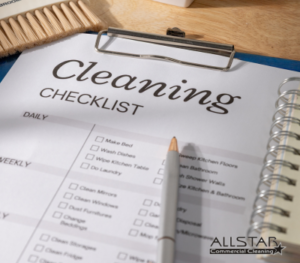
A food safety-focused cleaning program addresses daily sanitation needs while planning for deeper, scheduled maintenance.
An effective program includes:
-
Routine surface sanitation
-
Scheduled deep cleaning
-
Equipment degreasing
-
Floor and drain maintenance
Professional cleaners help restaurants maintain this balance without interrupting service or relying on last-minute fixes.
Frequently Asked Questions
How does professional cleaning support food safety standards?
Professional cleaning removes buildup, grease, and contaminants that daily cleaning may miss, reducing the risk of foodborne illness.
Is professional cleaning required for food safety compliance?
Professional cleaning is not required, but it helps restaurants maintain consistent sanitation and reduce inspection risk.
Does professional cleaning replace staff cleaning?
No. Professional cleaning supports staff efforts by handling deep cleaning and hard-to-reach areas.
Can professional cleaning help with health inspections?
Yes. Consistent professional cleaning helps address common inspection issues related to sanitation and maintenance.