Most restaurants that fail health inspections in San Diego are not ignoring cleanliness altogether. In many cases, they are missing specific cleaning details that inspectors are trained to catch.
Health inspectors are not just looking for surfaces that look clean at first glance. They are looking for patterns. Inconsistent cleaning routines, overlooked areas, and buildup over time are some of the biggest reasons restaurants receive violations or fail inspections.
Below are the most common restaurant cleaning gaps that lead to inspection issues and how staying consistent can help prevent them.
1. Cleaning Only What Customers Can See
One of the biggest cleaning gaps inspectors notice is when restaurants focus heavily on front-of-house appearance while neglecting back-of-house areas.
Commonly missed spaces include:
-
Behind ovens, fryers, and prep tables
-
Under refrigeration units
-
Inside hood vents and exhaust systems
-
Storage shelves and utility rooms
Health inspectors routinely check areas that customers never see because these spaces are where grease, food debris, and bacteria tend to build up. A spotless dining area does not offset a greasy kitchen floor or carbon buildup behind equipment.
2. Inconsistent Deep Cleaning Schedules
Daily wipe-downs are important, but they are not enough on their own. Restaurants often fail inspections because deep cleaning is done irregularly or only when an inspection is expected.
Examples of inconsistent cleaning include:
-
Fryers and ovens cleaned only once buildup is visible
-
Floors scrubbed occasionally instead of routinely
-
Wall and baseboard cleaning skipped entirely
-
Hood and vent cleaning delayed too long
Inspectors can tell when cleaning is reactive instead of routine. Consistency matters just as much as effort.
3. Overlooking Floors, Drains, and Corners
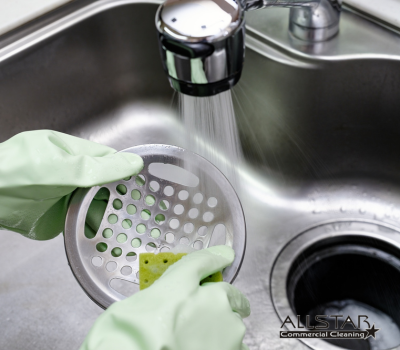
Floors and drains are among the most cited inspection issues in commercial kitchens. These areas collect grease, food particles, and moisture, creating conditions that attract pests and bacteria.
Cleaning gaps inspectors often note:
-
Standing water near floor drains
-
Grease buildup along floor edges
-
Food debris under mats and equipment
-
Slippery residue creating safety hazards
Because these areas are not always in direct view, they are easy to overlook during busy shifts. However, inspectors almost always check them.

4. Improper Restroom and Handwashing Maintenance
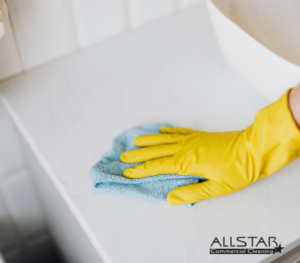
Restrooms and handwashing stations play a critical role in inspection outcomes. A common gap is assuming restrooms only need to be cleaned once per day.
Health inspectors expect:
-
Fully stocked soap and paper towels at all times
-
Clean sinks, toilets, and floors
-
No odors or visible residue
-
Clear handwashing signage
If restrooms appear neglected, inspectors often expand their inspection to scrutinize other sanitation practices more closely.
5. Grease and Carbon Buildup on Equipment
Even when equipment appears functional, grease and carbon buildup can still trigger violations. Inspectors frequently check equipment surfaces that staff may not clean daily.
Common problem areas include:
-
Inside ovens and grills
-
Fryer exteriors and undersides
-
Range hoods and filters
-
Equipment handles and knobs
Buildup is not just a cleanliness issue. It is also a fire risk and a sign of insufficient maintenance.
6. Relying on Last-Minute Cleaning Before Inspections
One of the most damaging cleaning gaps is waiting until an inspection is expected to clean thoroughly. San Diego health inspections are often unannounced, which makes last-minute preparation ineffective.
Inspectors are trained to recognize:
-
Recently cleaned surfaces next to long-term buildup
-
Missed areas that take time to accumulate residue
-
Uneven cleaning patterns
A consistent cleaning program shows inspectors that sanitation is part of daily operations, not a reaction to enforcement.

Why Consistency Matters More Than Perfection
Health inspections are designed to evaluate ongoing sanitation practices. Inspectors are not expecting perfection, but they are looking for consistency across the entire facility.
Restaurants that work with a professional restaurant cleaning service reduce inspection risk by maintaining regular deep cleaning schedules, addressing hard-to-reach areas, and ensuring sanitation standards are met daily.
At Allstar Commercial Cleaning, San Diego restaurants rely on structured cleaning programs that support compliance and reduce the likelihood of inspection violations.
How to Reduce Inspection Risk Long-Term
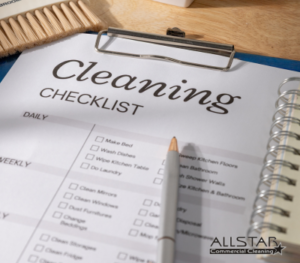
Closing cleaning gaps requires more than extra effort during slow periods. It requires a repeatable system that addresses all areas of your restaurant.
A professional cleaning plan helps:
-
Eliminate grease and debris buildup
-
Maintain floors, drains, and equipment
-
Support food safety and employee health
-
Keep your restaurant inspection-ready year-round
Proactive cleaning is one of the most effective ways to protect your restaurant from failed inspections and unexpected closures.
Frequently Asked Questions
What causes most restaurant inspection failures?
Most failures are caused by grease buildup, dirty floors and drains, improper sanitation, and inconsistent cleaning routines.
Do inspectors look beyond visible areas?
Yes. Health inspectors routinely check behind equipment, under sinks, storage areas, and floor drains.
Is daily cleaning enough to pass inspections?
Daily cleaning helps, but inspections often fail due to missed deep cleaning tasks that require consistent scheduling.
How can restaurants stay inspection-ready year-round?
Maintaining a consistent cleaning program and addressing hard-to-reach areas regularly is the most effective approach.